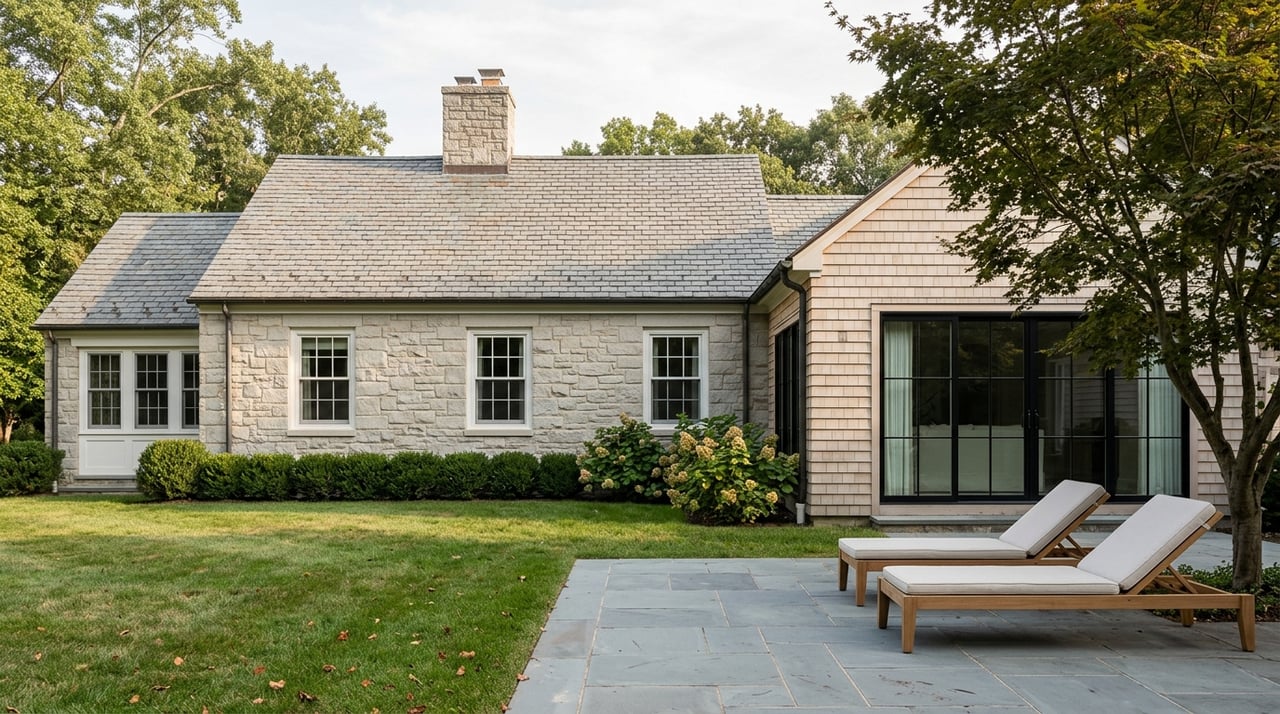
If you have ever driven through Bethesda and felt like the homes changed character from one block to the next, you are not imagining it. That variety is part of what makes the area so compelling for buyers who care about design, setting, and the feel of daily life. When you understand Bethesda’s architectural mix, you can narrow your search with more confidence and less guesswork. Let’s dive in.
Bethesda Architecture Is About Variety
Bethesda does not have one signature house style. According to Montgomery Planning, the area is better understood as a layered mix of older revival-style homes, postwar development, mid-century modern communities, and newer contemporary infill.
That blend gives Bethesda a streetscape that feels rich and varied rather than uniform. For you as a buyer, that means the right fit often comes down to which architectural language feels most natural for the way you want to live.
Colonial Revival Homes In Bethesda
Many homes people casually call “colonials” in Bethesda are more accurately described as Colonial Revival. Montgomery County’s preservation materials point to examples like Stone Ridge and note features such as symmetrical facades, evenly spaced windows, dormers, brick or cast-stone exteriors, and formal front porches.
These homes tend to feel balanced, traditional, and visually ordered. If you are drawn to classic proportions and a more formal exterior presence, Colonial Revival architecture may be the Bethesda look that speaks to you most.
What Colonial Revival Often Looks Like
A Colonial Revival home usually emphasizes structure and symmetry. You may notice a centered entry, a consistent window pattern, and Georgian-inspired proportions that create a polished, composed appearance.
In Bethesda, this style often appears in older neighborhoods and estate-era pockets. For buyers who want a timeless exterior and a sense of architectural continuity, these homes can be especially appealing.
Tudor Revival And Prewar Character
Bethesda also includes prewar neighborhoods with Tudor Revival and related revival styles. One of the clearest examples is Greenwich Forest, west of Bethesda, which was largely built out in the mid-1930s and is documented as Tudor Revival in character, with some Colonial Revival homes mixed in.
Tudor Revival homes add a different kind of personality to Bethesda’s architectural mix. Where Colonial Revival homes often feel formal and symmetrical, Tudor-inspired homes tend to feel more storybook, textured, and deeply tied to prewar neighborhood design.
Why Greenwich Forest Stands Out
Greenwich Forest is useful if you are trying to match architectural taste to place. The neighborhood is known for its curving street pattern and established collection of homes from the 1930s.
For buyers who want prewar character, this part of Bethesda offers a clear architectural identity. It can be a strong match if you value charm, older neighborhood planning, and a streetscape with a more historic feel.
Mid-Century Modern Bethesda
If your taste leans clean-lined, glass-forward, and connected to the landscape, Bethesda has notable mid-century modern options. Montgomery Planning’s Montgomery Modern program documents modernist buildings and communities from the late 1940s through the 1960s, including several important Bethesda-area enclaves.
These homes often sit naturally within wooded lots and emphasize light, openness, and indoor-outdoor living. In a market known for classic architecture, they offer a distinct alternative that feels both design-driven and highly livable.
Carderock Springs And Modernist Design
Carderock Springs is one of Bethesda’s signature modernist communities. Montgomery Planning describes it as a neighborhood of 360 modernist houses built from 1962 to 1966, with curving streets, wooded lots, and a carefully planned landscape setting.
If you want architecture that works with the land instead of dominating it, Carderock Springs is an important reference point. The neighborhood shows how mid-century design in Bethesda can feel private, organic, and visually integrated with its surroundings.
Potomac Overlook And Glen Echo Heights
Potomac Overlook offers another expression of Bethesda-area modernism. Located about two-and-a-half miles southwest of downtown Bethesda, it includes 19 contemporary-styled dwellings that were designed in relation to steep terrain and mature tree canopy.
Glen Echo Heights is another neighborhood worth knowing if you are drawn to this aesthetic. Montgomery Planning notes that it contains many modern houses, including more than 30 designs by Donald Lethbridge and his associates between 1957 and 1961.
A Notable Modernist Reference
For buyers who enjoy architectural pedigree, the Seymour Krieger House in Bannockburn is another important local example. Montgomery Planning identifies it as an International Style design by Marcel Breuer.
You do not need to buy a landmark home to benefit from knowing these references. They help you understand the broader design language that shapes some of Bethesda’s most distinctive modern neighborhoods.
Contemporary Custom Homes In Bethesda
Newer Bethesda homes often do not try to copy historic styles exactly. Montgomery County preservation guidance states that new construction in historic districts is allowed and does not need to be replicative, while county filings in Bethesda show proposed new homes described as using a contemporary Craftsman vocabulary.
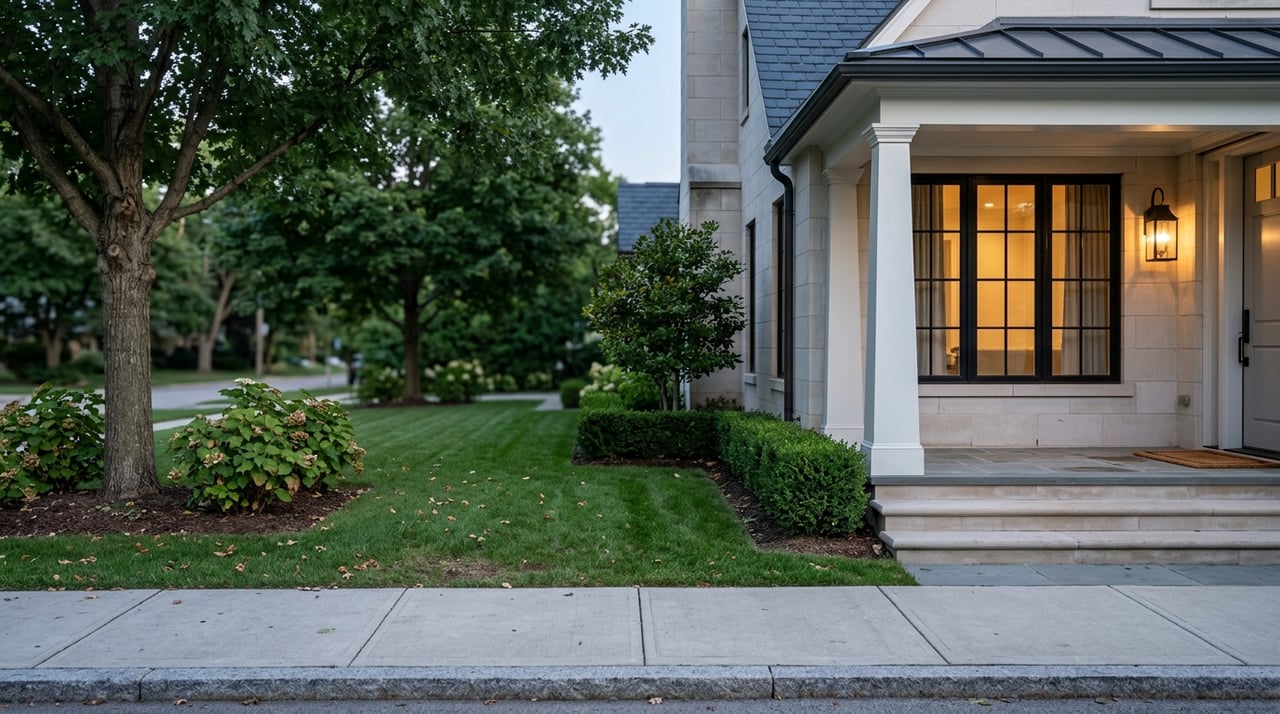
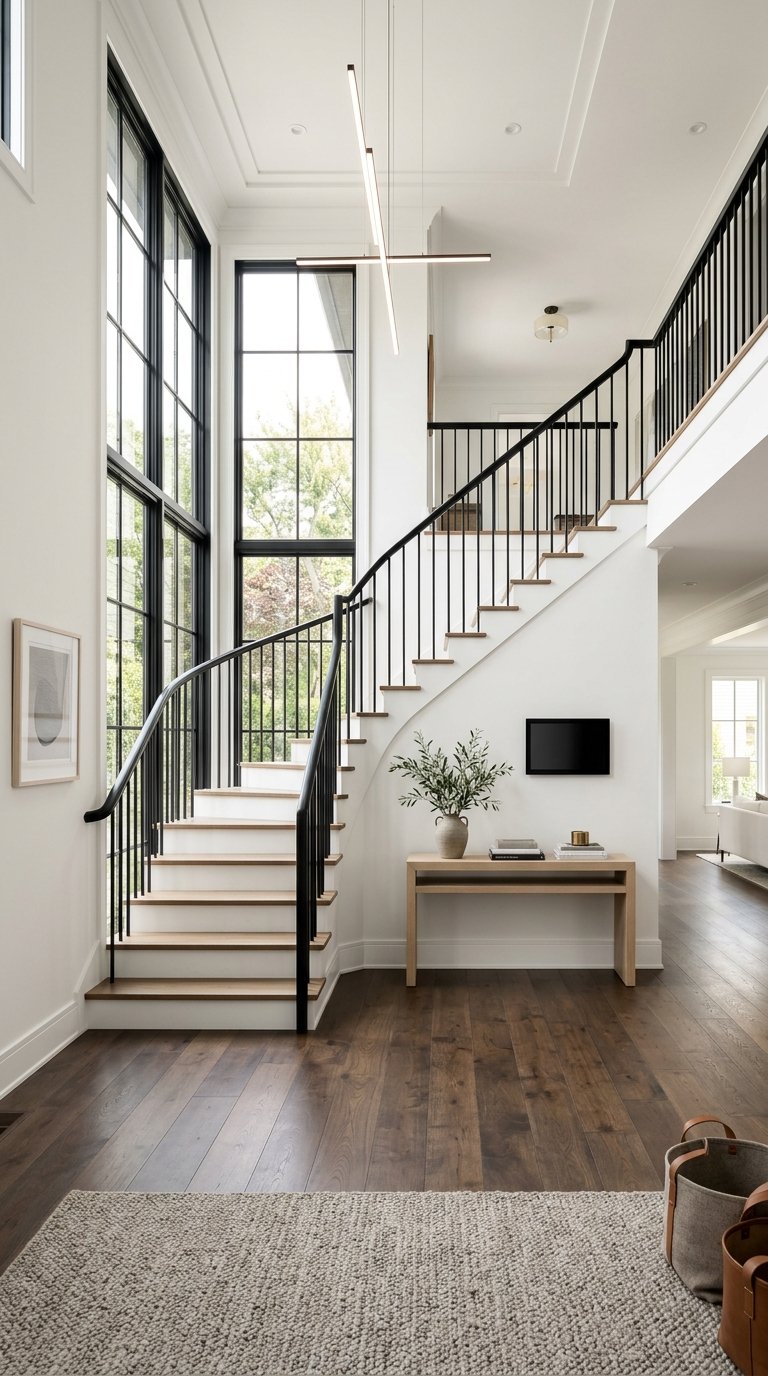
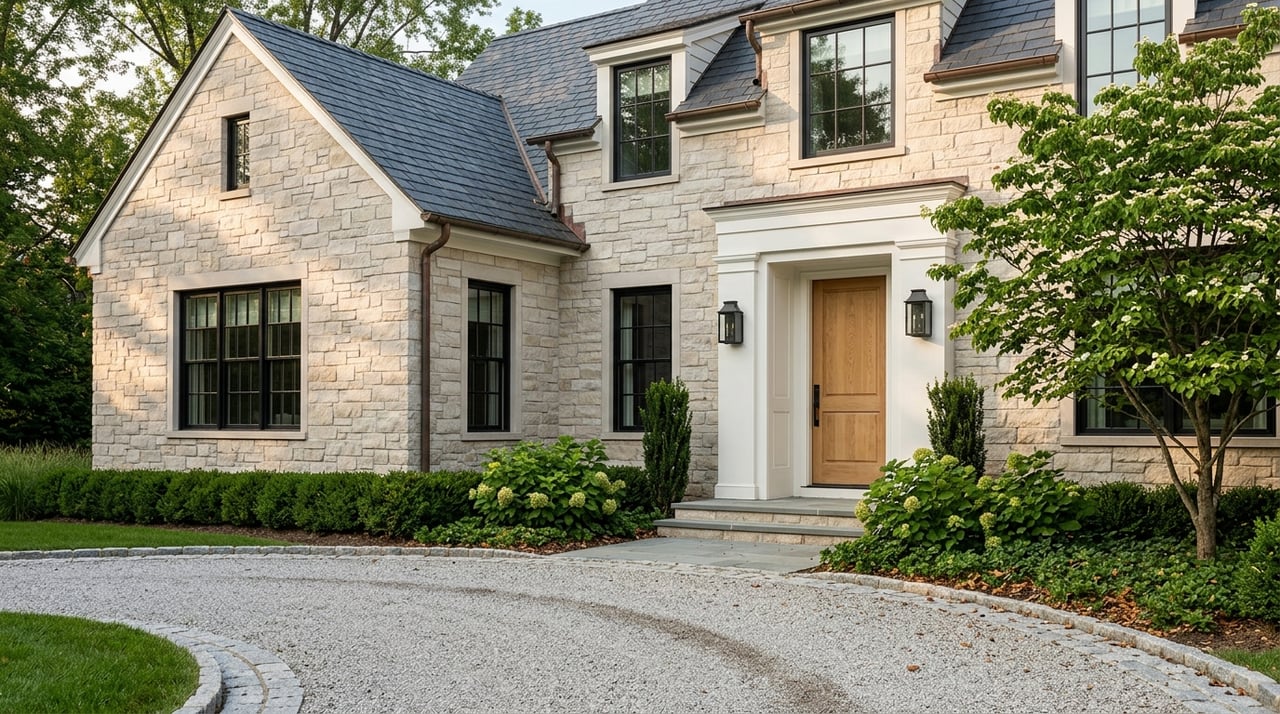
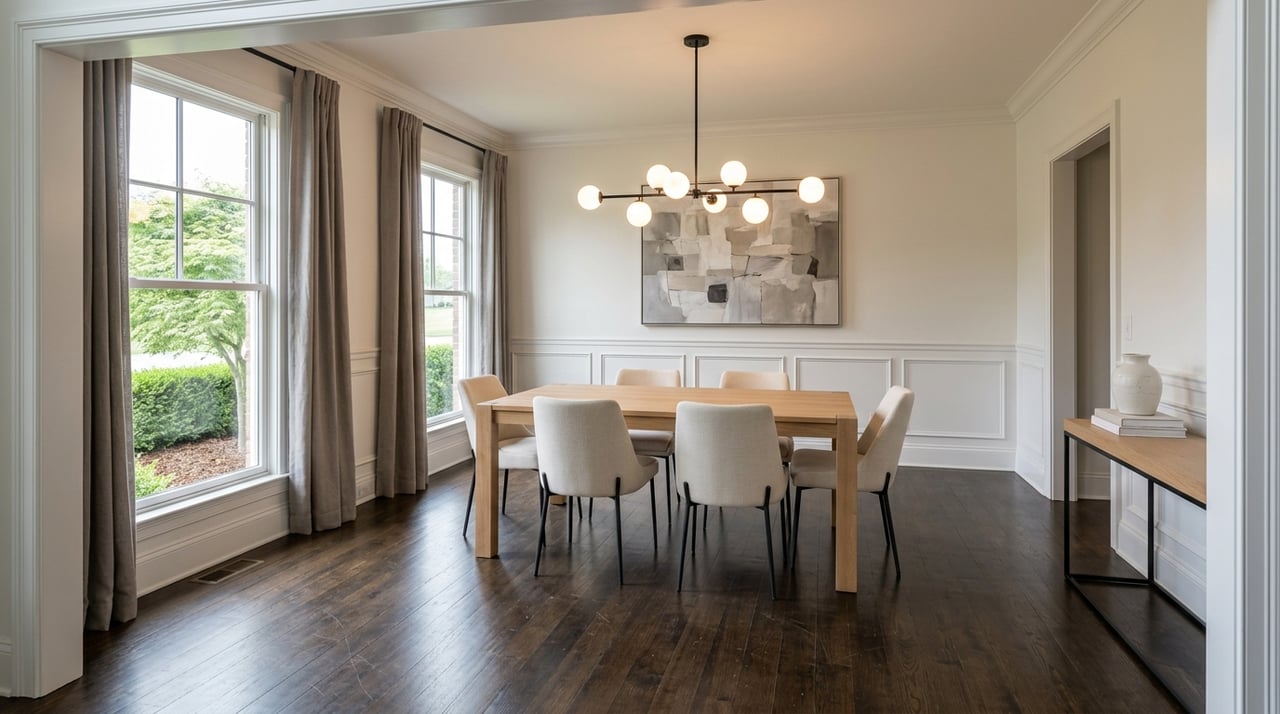
In practical terms, many newer Bethesda homes read as contemporary or custom-built rather than strictly revival-based. You may see cleaner lines, more open layouts, and a design approach that responds to neighborhood context while still feeling current.
Why Newer Homes Feel Different
Contemporary custom homes often reflect how Bethesda continues to evolve. Rather than follow one rigid template, they blend modern expectations with location-specific design choices.
If you want newer systems, current layouts, and a more tailored look, these homes may offer the right balance. They can also appeal to buyers who want a fresh architectural expression without leaving Bethesda’s established neighborhoods behind.
How To Match Style To Neighborhood
One of the smartest ways to search in Bethesda is to think beyond price and square footage. Start by asking which style you want to live with every day, then look at neighborhoods that consistently deliver that character.
Here is a simple way to frame it:
- Greenwich Forest for prewar Tudor Revival character with some Colonial Revival homes
- Stone Ridge and similar estate-era pockets for formal Colonial Revival symmetry and massing
- Carderock Springs for a major modernist enclave with wooded lots and curving streets
- Potomac Overlook for a smaller, terrain-sensitive mid-century modern setting
- Glen Echo Heights for another strong concentration of modern architecture
- Newer infill areas for contemporary and contemporary Craftsman interpretations
This approach can save time and sharpen your priorities. Instead of looking at every home in Bethesda the same way, you can focus on the architectural experience that best fits your lifestyle.
Preservation Rules Matter For Buyers
Architecture and renovation flexibility often go hand in hand. If a Bethesda property is located in a county-designated historic district or is listed as a historic resource, exterior alterations, demolition, and new construction are reviewed by Montgomery County’s Historic Preservation Commission through the Historic Area Work Permit process.
That does not mean change is impossible. Montgomery County also states that new construction in historic districts is allowed and does not have to mimic the historic style exactly, but it must remain compatible with the setting and follow preservation standards.
What That Means For Your Search
If you love the idea of a preserved Tudor or Colonial Revival streetscape, you may also be choosing an area with more exterior review. That can be a benefit if you value neighborhood consistency and architectural stewardship.
If you prefer more design flexibility or are focused on a custom contemporary home, newer pockets or areas where infill and rebuilds are more common may feel like a better match. Either way, it helps to understand these rules early so your design goals and neighborhood choice stay aligned.
Why Architecture Matters In Bethesda
In Bethesda, architecture is not just visual. It shapes the feel of the block, the relationship between the house and the land, and the kind of living experience you have once you move in.
That is why the most useful question is often not simply whether you want to live in Bethesda. It is whether you want formal revival architecture, a prewar neighborhood feel, a wooded modernist setting, or a newer contemporary expression of Bethesda living.
When you answer that question first, your home search becomes more focused and more personal. And in a market with this much character, that clarity can make all the difference.
If you want help identifying the Bethesda neighborhoods and home styles that best match your design preferences, lifestyle goals, and privacy needs, The Jill Schwartz Group offers a discreet, highly tailored approach to your search.
FAQs
What architectural styles are common in Bethesda homes?
- Bethesda is known for a mix of Colonial Revival homes, Tudor Revival neighborhoods, mid-century modern enclaves, and newer contemporary or contemporary Craftsman homes.
Where can you find Tudor Revival homes in Bethesda?
- Greenwich Forest is one of the best-known Bethesda neighborhoods for Tudor Revival character, with some Colonial Revival homes mixed in.
Where can you find mid-century modern homes near Bethesda?
- Carderock Springs, Potomac Overlook, and Glen Echo Heights are key areas associated with mid-century modern and contemporary-style homes in the Bethesda area.
Are newer homes in Bethesda built in historic styles?
- Not always. Montgomery County guidance indicates that new construction can be compatible with its setting without exactly copying a historic style, which helps explain why many newer Bethesda homes feel more contemporary.
Do historic district rules affect Bethesda home renovations?
- Yes. In county-designated historic districts or for historic resources, certain exterior changes, demolition, and new construction are reviewed through Montgomery County’s Historic Area Work Permit process.
How should buyers choose between Bethesda neighborhoods by architecture?
- A good first step is to decide whether you prefer formal Colonial Revival homes, prewar Tudor character, mid-century modern design, or newer contemporary construction, then focus on neighborhoods that match that style.