If you are preparing to sell in Chevy Chase, your first impression is not a small detail. In a neighborhood where buyers often respond to architecture, setting, and finish quality all at once, the way your home enters the market can shape both price and momentum. This guide walks you through how to position a Chevy Chase home for a premium sale, from presentation and pricing to launch strategy and local prep details. Let’s dive in.
Why Chevy Chase Commands Attention
Chevy Chase, DC holds a distinct place in the Washington market. The DC Office of Planning describes the area as a largely residential part of upper Northwest with tree-lined streets, parks, and local commercial centers, while nearby Friendship Heights adds access to a broader shopping and dining corridor.
That context matters when you sell. Buyers are often responding to more than square footage alone. They may also be evaluating neighborhood continuity, architectural character, and the established feel that has long defined Chevy Chase.
The neighborhood’s historic identity also supports its market position. The National Register nomination describes Chevy Chase DC as an early-20th-century streetcar suburb, and the Chevy Chase Historic District covers the heart of the neighborhood. For many buyers, that can elevate the appeal of a home with original charm, thoughtful updates, and a strong connection to its setting.
Start With Market Precision
A premium sale usually begins with a realistic view of the market. Redfin data through May 2026 shows a median sale price of $1,531,985 in Chevy Chase-DC, with homes selling in about 17 days on average and a sale-to-list ratio of 101.4%.
Those numbers show strength, but they do not mean every listing will automatically outperform. The same data shows that 39.9% of homes sold above list price, while 16.0% had price drops. That tells you the market rewards homes that launch well and quickly exposes homes that miss on condition, pricing, or presentation.
Citywide DC figures reinforce the point. DC REALTORS® reported 2,459 active listings in March 2026, average days on market of 56, and an average sold-to-original-list-price ratio of 96.3%. Compared with that broader pace, Chevy Chase moves faster, which makes your first launch window especially important.
Price for Credibility, Not Hope
In a premium neighborhood, it can be tempting to reach for an aspirational number. But in Chevy Chase, precise pricing often creates stronger leverage than an inflated starting point.
When buyers see a home that feels fully prepared and correctly positioned, they are more likely to engage early. When the list price feels disconnected from condition or recent comparable sales, they may simply move on. In a market where some homes sell above list and others take price drops, credibility matters.
The goal is not to underprice a strong home. The goal is to create a launch price that feels justified the moment buyers and agents see it, especially during those first days on market when interest is freshest.
Focus on the Rooms Buyers Notice First
Not every room carries the same weight in a premium sale. According to the 2025 Profile of Home Staging from the National Association of REALTORS®, buyers’ agents most often identified the living room, primary bedroom, and kitchen as the most important spaces to stage.
That gives sellers a practical place to start. If you are deciding where time and money should go, prioritize the rooms that shape emotional response and set the tone for the rest of the home.
Living Room
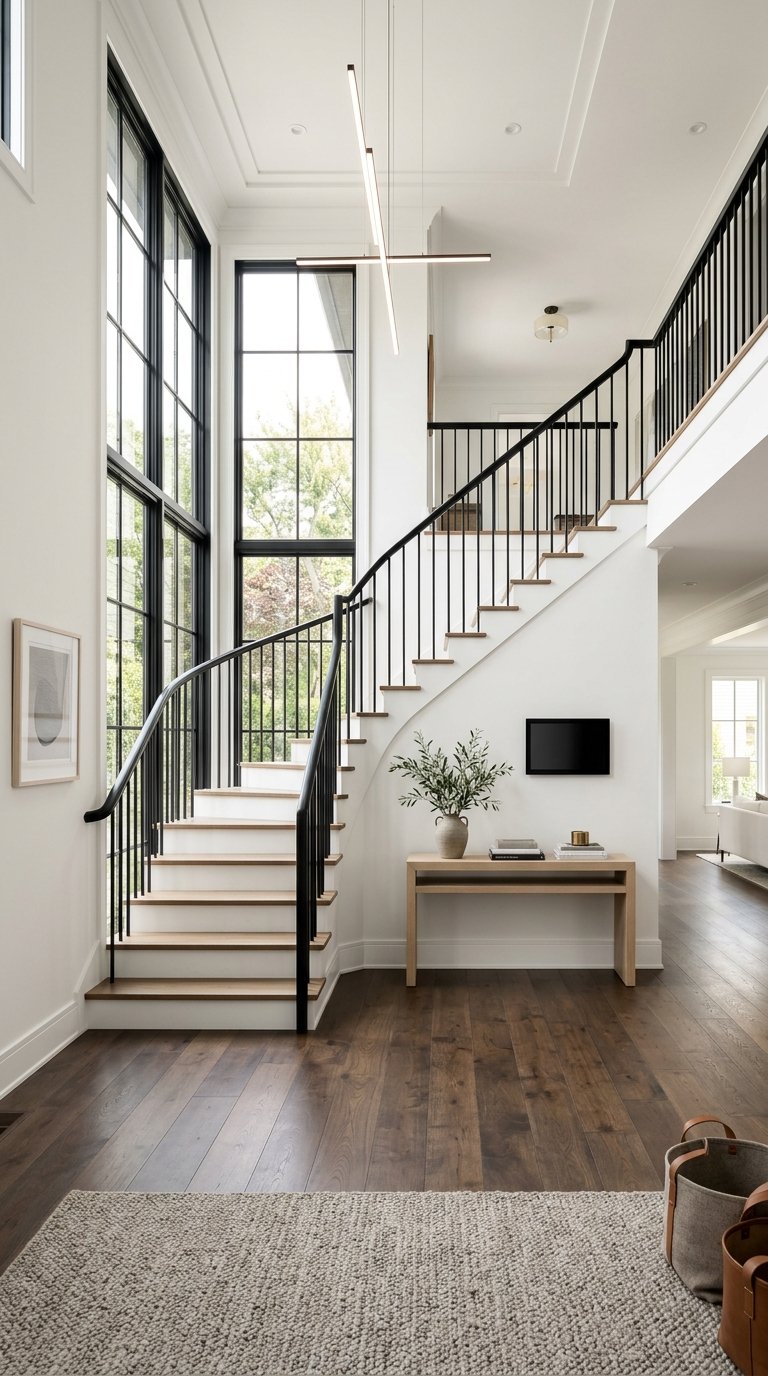
Your living room often sets the visual standard for the entire showing. In Chevy Chase, where many buyers value architectural continuity and classic residential character, this room should feel balanced, bright, and easy to understand.
Clear out visual noise, refine furniture placement, and make sure scale feels right. Buyers should be able to appreciate ceiling height, window lines, fireplaces, built-ins, or other architectural features without distraction.
Primary Bedroom
The primary bedroom should feel calm and intentional. Buyers want to see comfort, proportion, and a sense of retreat.
This does not require elaborate styling. It usually means neutral bedding, simplified surfaces, strong lighting, and furniture that helps the room feel spacious rather than crowded.
Kitchen
Kitchens remain one of the most important decision-making spaces. Buyers will notice finishes, storage, layout, and how the room connects to the rest of the home.
Before listing, reduce countertop clutter, remove personal items, and make sure every visible surface reads as clean and cohesive. Even if your kitchen is not newly renovated, polished presentation can help buyers focus on function and flow.
Staging Is Often Worth It
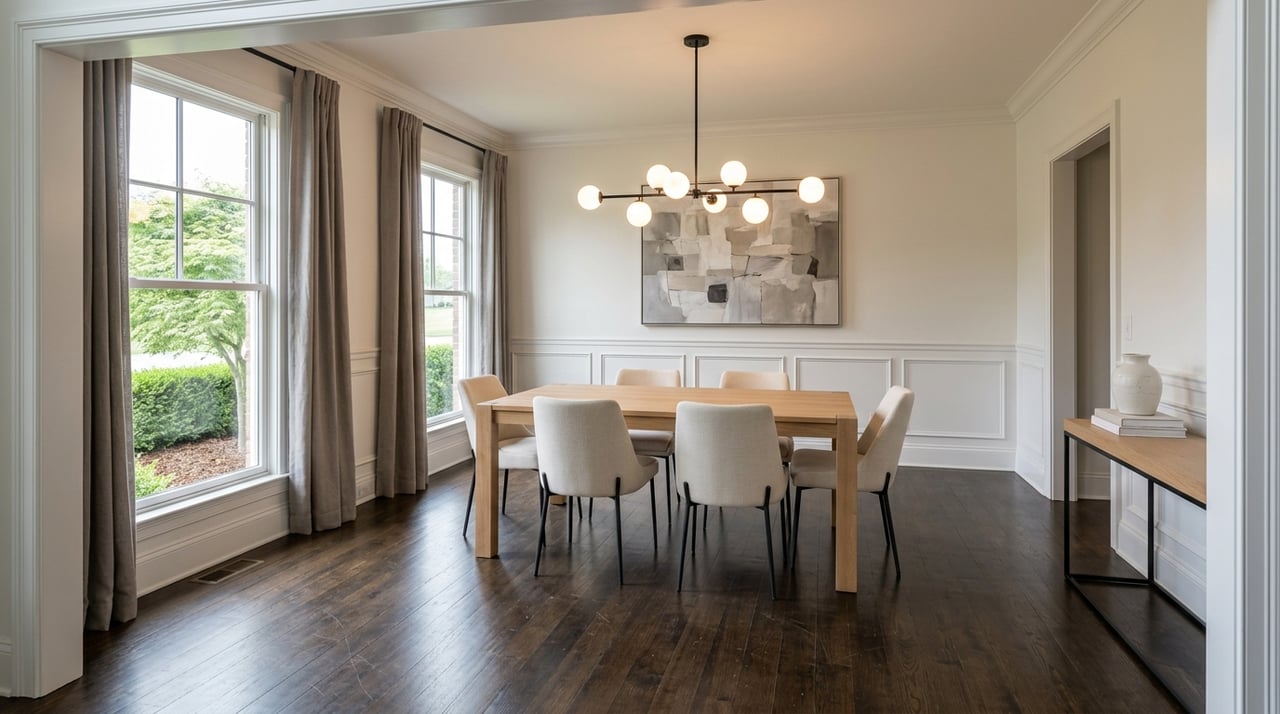
For sellers aiming at a premium result, staging is rarely just cosmetic. The same 2025 NAR report found that 83% of buyers’ agents said staging makes it easier for buyers to visualize a property as a future home.
That matters because visualization drives confidence. A buyer who can picture how a room lives is more likely to feel urgency and value.
The report also found that 29% of sellers’ agents said staging increased the dollar value offered by 1% to 10%, and 49% said staging reduced time on market. The median amount spent on a staging service was $1,500.
For a Chevy Chase listing, that supports a complete pre-market approach rather than piecemeal updates. A home that looks halfway ready can read as a project. A home that feels finished can create stronger early demand.
Make Media Part of the Strategy
In the luxury and premium segments, marketing assets are not optional extras. They are part of the product buyers see first.
NAR found that 88% of agents cited photos as important to the selling process, followed by videos at 47% and traditional physical staging at 43%. The same report also found that 48% of respondents said buyers expect homes to look staged like TV homes, and 58% said buyers are disappointed when homes do not match that standard.
For you, that means professional photography, video, and a room-by-room visual plan should be part of the launch strategy from day one. In a neighborhood where hot homes can sell in about 6 days and roughly 7% above list, polished media can help convert attention into action quickly.
Align Updates With Chevy Chase Character
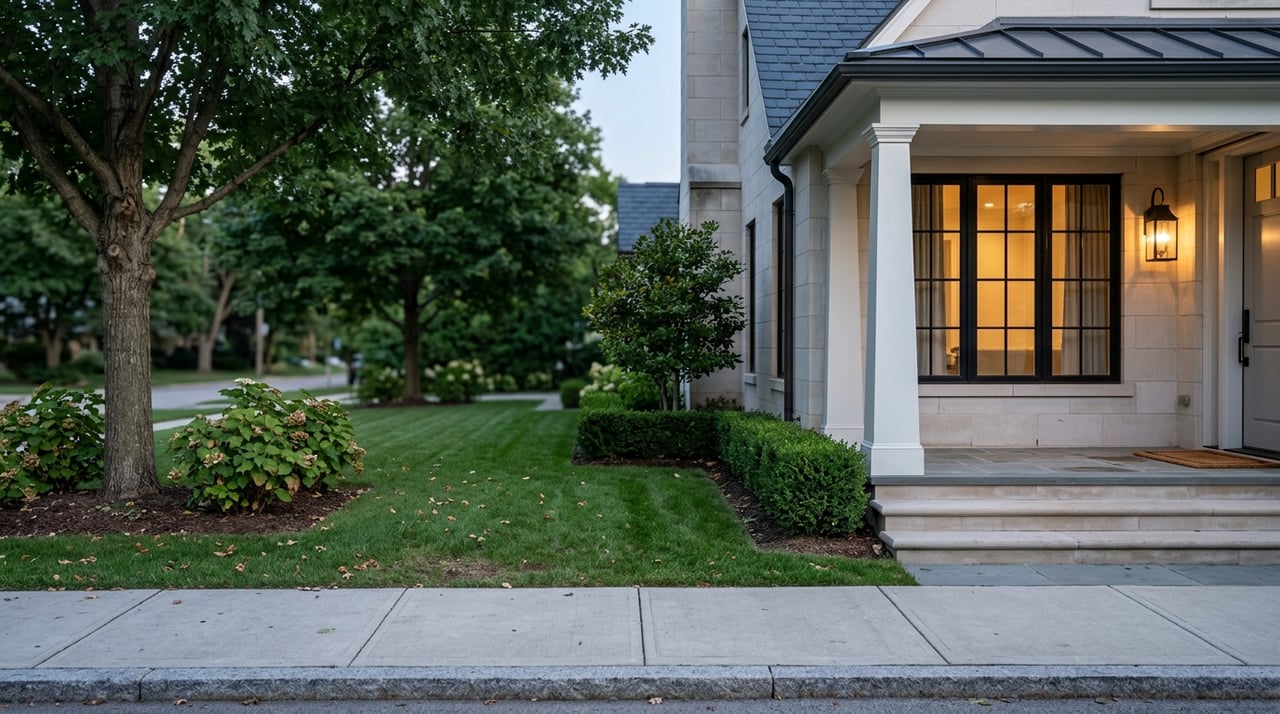
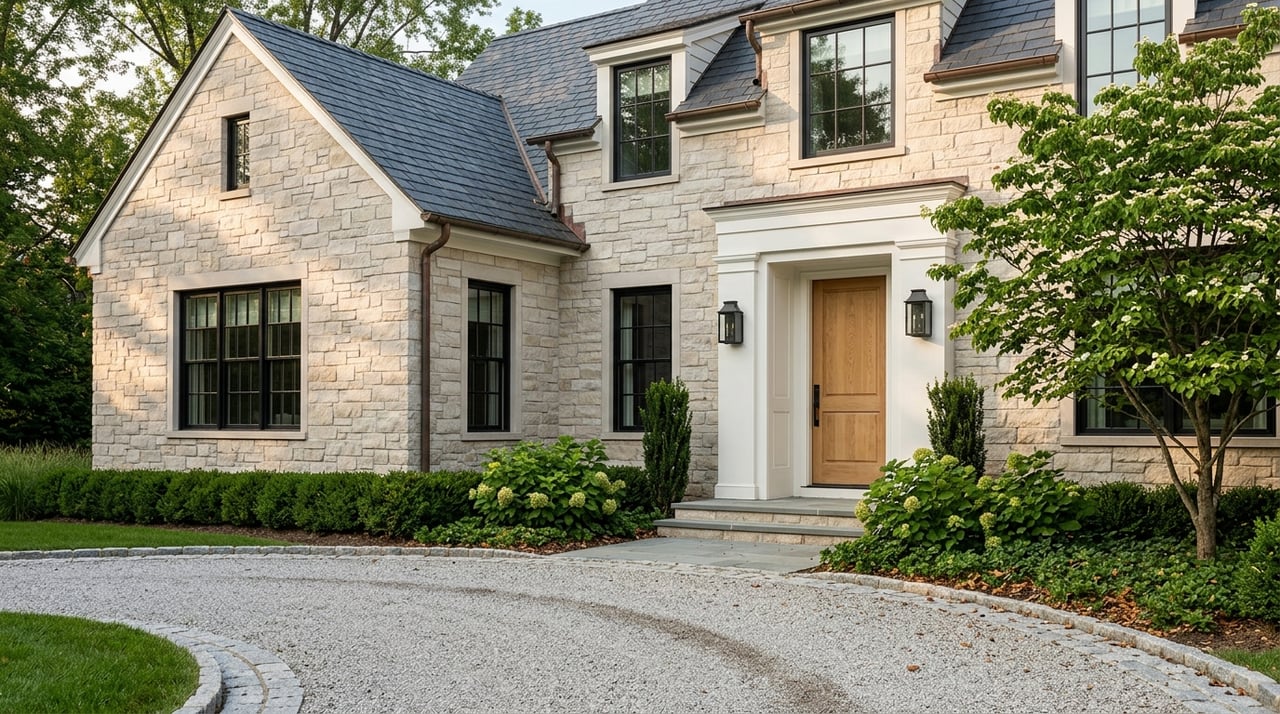
In Chevy Chase, prep work should support the home’s identity, not erase it. Because the neighborhood is known for historic continuity and established residential streetscapes, buyers may be especially responsive to updates that feel thoughtful and consistent with the home’s architecture.
That can mean refining paint, lighting, landscaping, hardware, or surface-level improvements that enhance the home’s style without creating visual conflict. Clean execution usually matters more than trend-chasing.
If your home has period details, mature landscaping, or a classic facade, those should be treated as assets. The right presentation helps buyers see them as part of the value story.
Check Historic Review Before Exterior Work
Before starting visible exterior improvements, confirm whether your property may be subject to preservation review. This is an important step in Chevy Chase because some properties fall within or near historic-designation frameworks.
According to the DC Office of Planning, major work on a historic property must be reviewed by the Historic Preservation Review Board. Minor compatible work may qualify for expedited review through the Historic Preservation Office.
The Office of Planning also encourages concept review before full drawings are completed for most proposals, and notes that eligible work can often be approved within 1 to 3 days after the permit application is forwarded by DOB. If exterior prep is part of your sale plan, checking this early can help you avoid timeline surprises.
Treat Launch Timing as a Value Driver
In Chevy Chase, timing is not just a scheduling issue. It is part of pricing strategy.
Because the neighborhood average is about 17 days on market, your best opportunity often comes at the very start. That is when the listing is new, buyer attention is strongest, and the market is deciding how your home compares with everything else available.
A rushed launch can weaken that moment. So can listing before the home, photography, and pricing strategy are fully aligned. If you are aiming for a premium sale, it is usually better to enter the market complete and confident than early and unfinished.
What a Premium Positioning Plan Looks Like
A strong Chevy Chase sale plan is usually built around a few clear steps:
- Review the home’s pricing against current market evidence
- Identify the highest-impact prep items, especially in the living room, primary bedroom, and kitchen
- Complete staging or styling before media is created
- Use professional photography and video to support the launch
- Check preservation status before starting exterior changes
- Enter the market only when price, condition, and presentation are fully aligned
This kind of disciplined preparation can help your home compete for the strongest attention in its first days on market. In a neighborhood that often rewards polished, well-priced listings, those details can directly affect your outcome.
If you are considering a sale in Chevy Chase and want a discreet, highly tailored strategy, The Jill Schwartz Group can help you plan the right presentation, timing, and launch for your property.
FAQs
Which rooms matter most when selling a Chevy Chase home?
- The living room, primary bedroom, and kitchen are the rooms buyers’ agents most often identify as most important to stage, according to the 2025 NAR home staging report.
Is staging worth it for a premium Chevy Chase listing?
- It can be. NAR reported that 29% of sellers’ agents said staging increased offered value by 1% to 10%, and 49% said it reduced time on market.
How fast do homes sell in Chevy Chase, DC?
- Redfin data through May 2026 shows homes in Chevy Chase-DC sold in about 17 days on average, with hot homes selling in about 6 days.
Should I do exterior updates before listing a Chevy Chase home?
- You should first check whether the property may be subject to historic review, since major work on a historic property may require Historic Preservation Review Board review and some minor work may qualify for faster Historic Preservation Office approval.
What marketing assets matter most for a premium home sale in Chevy Chase?
- Professional photos, video, and a polished staged presentation matter because agents rate visual marketing highly and buyers increasingly expect homes to look fully prepared.