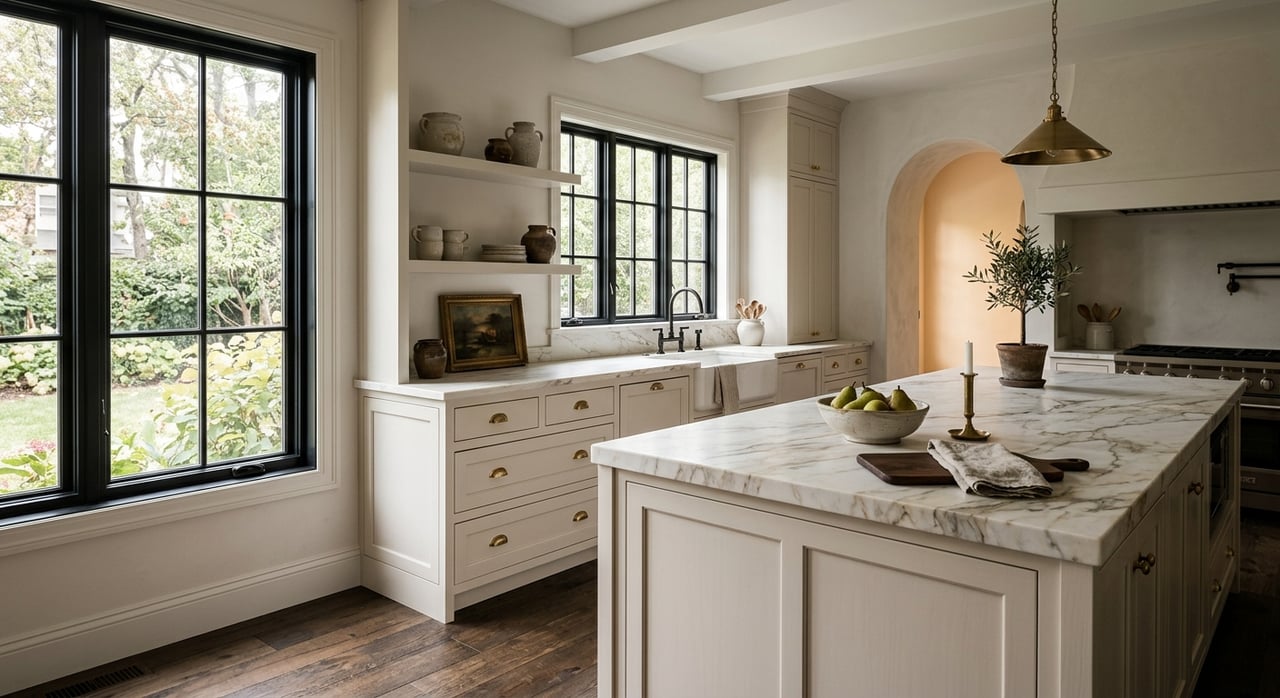
What makes a Chevy Chase home truly stand out when it hits the market? Often, it is not just square footage or a renovated kitchen. It is the original porch, the millwork, the masonry, the mature setting, and the sense that the home has been thoughtfully cared for over time. If you are preparing to sell a character-filled home in Chevy Chase, a smart strategy can help you present that story clearly, answer buyer questions early, and position your property with confidence. Let’s dive in.
Why character matters in Chevy Chase
Chevy Chase has a distinct identity within upper northwest Washington, shaped by its residential streets, established homes, and historic development pattern along Connecticut Avenue. According to the DC Office of Planning’s overview of Ward 3, this part of the city is known for a mix of commercial corridors, townhouses and apartments, and single-family homes set among trees and parks.
That setting matters when you sell. The Chevy Chase Small Area Plan notes that the neighborhood has seen relatively little physical change in recent decades, which helps preserve its original streetscape and architectural character. For buyers, that often creates a stronger emotional pull than a home that feels generic or over-altered.
Pricing also supports a thoughtful approach. Zillow reports a typical Chevy Chase, DC home value of $1,361,347 as of February 28, 2026, and its market snapshot also reflects a median sale price of $1.23 million, 33 homes for sale, and a median of 17 days on market in February 2026 through syndicated market data on its Chevy Chase page. In a balanced premium market, presentation and documentation can make a meaningful difference.
What buyers notice first
Many Chevy Chase homes reflect development from the early 1900s through the 1920s. The Chevy Chase Historic District nomination highlights Colonial Revival and Craftsman homes, along with Tudor Revival and Dutch Colonial Revival examples. These homes often include front porches, low-pitched roofs, wide eaves, and half-timbering.
Inside, buyers tend to respond to features that feel authentic to the home’s period. Original staircases, built-ins, window proportions, millwork, fireplaces, and masonry details often read as assets, not flaws. DC preservation guidance defines character-defining features as the materials and architectural elements that shape a building’s historic identity, which is a useful lens when deciding what to highlight in your sale preparation.
The key is to frame your home as carefully stewarded rather than frozen in time. Buyers are often most comfortable when they can see both preserved charm and practical updates that support daily living.
Focus on selective updates
When you are selling an older home, the goal is usually not to erase its age. The goal is to reduce distractions, improve comfort, and make the best features easier to appreciate.
For many Chevy Chase sellers, the most effective pre-listing work is selective:
- Fresh paint in a restrained palette
- Updated lighting where rooms feel dim
- Replaced or refined hardware
- Deep cleaning
- Decluttering
- Repair of visible defects
That approach fits the neighborhood well. Rather than flattening the home into a generic modern product, it lets the architecture stay visible while still helping buyers picture themselves living there.
Use staging to support the story
Staging can be especially valuable in a home with architectural personality. According to the National Association of Realtors’ 2025 staging report, 83% of buyers’ agents said staging made it easier for a buyer to envision the property as a future home. The same report found that photos, physical staging, video, and virtual tours are all highly important in today’s presentation mix.
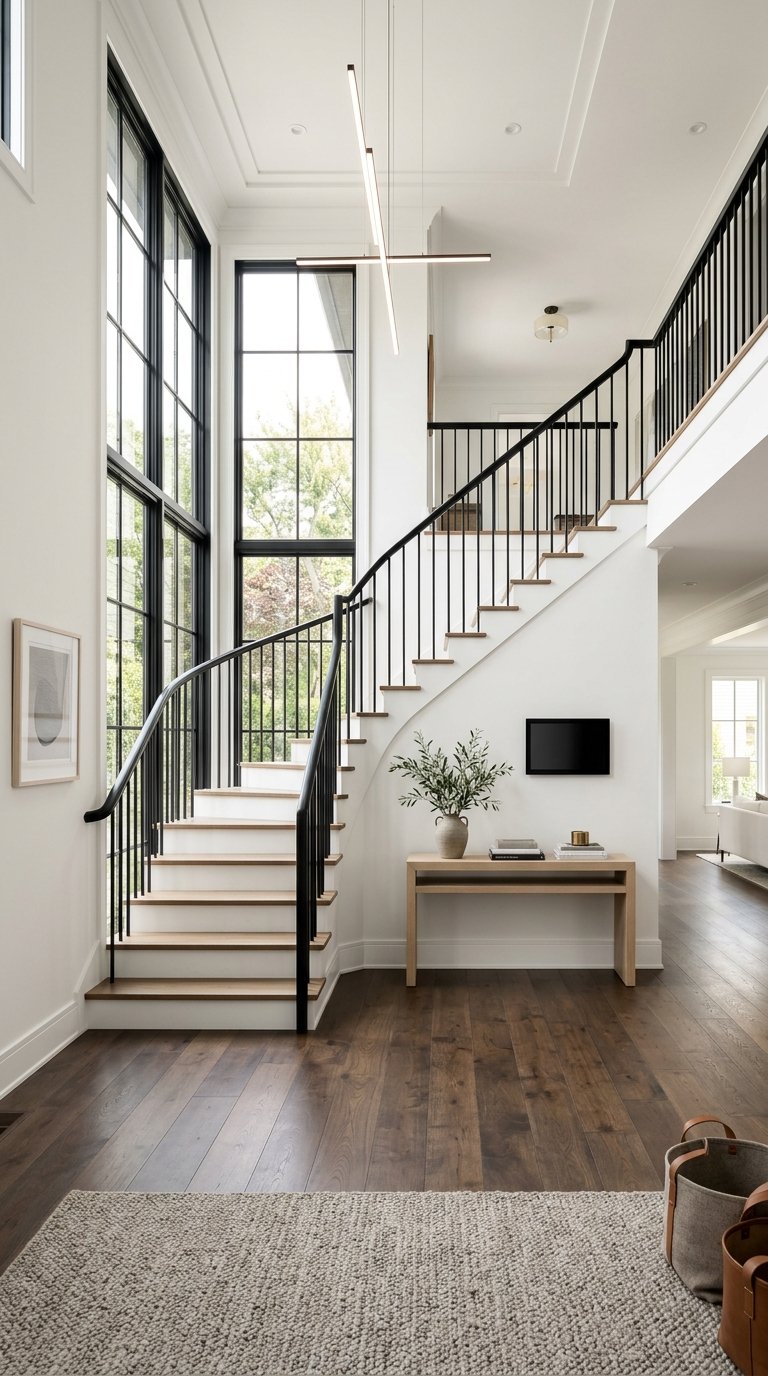
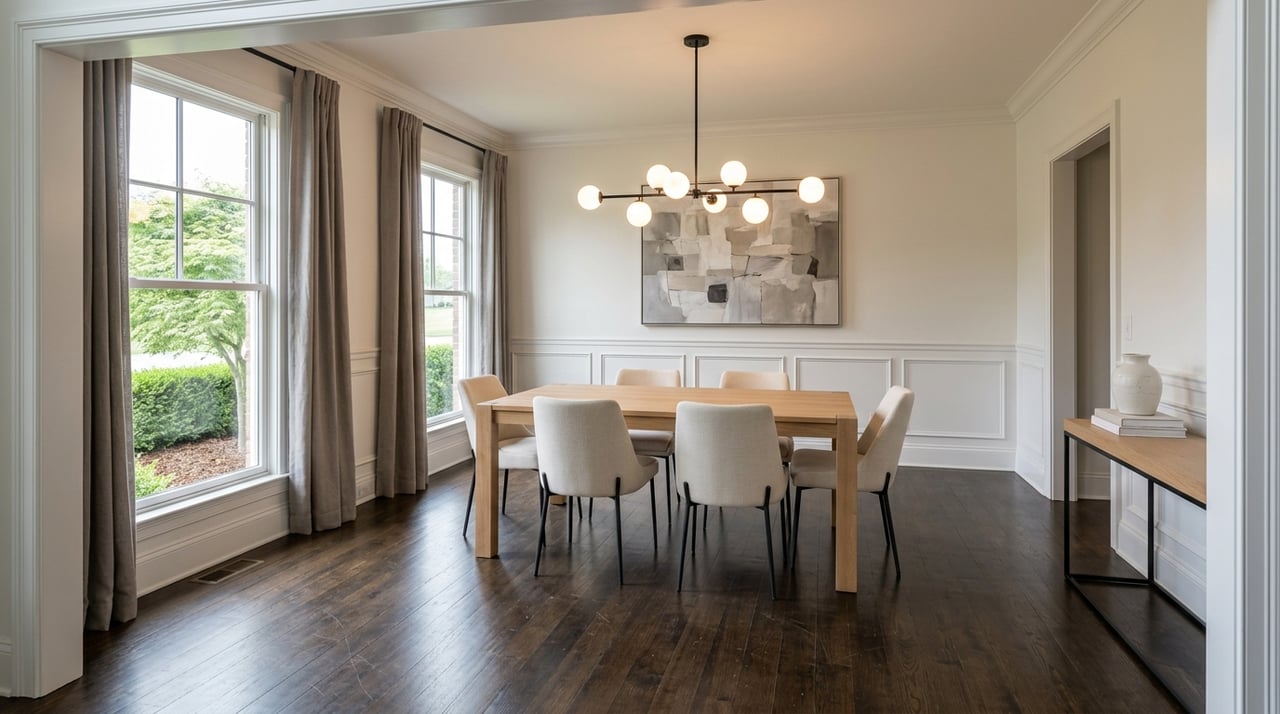
For a character-filled Chevy Chase property, staging should support the home rather than compete with it. Clean sightlines, scaled furnishings, and a calm visual palette can help draw attention to original details like woodwork, a graceful staircase, or a deep front porch. NAR also found that the living room, primary bedroom, and kitchen are the most important rooms to stage, with a median staging service cost of $1,500.
Address comfort and efficiency
Older homes often spark practical questions about comfort, operating costs, and system life. Sellers who prepare those answers in advance tend to create a smoother experience.
The U.S. Department of Energy’s guidance on home energy assessments says homeowners should consider replacing heating or cooling equipment that is more than 15 years old. It also recommends professional energy assessments to identify where a home may be losing energy.
Window decisions deserve special care in an older home. DOE and ENERGY STAR note that improving existing windows can be a cost-effective option, and ENERGY STAR-certified windows, doors, and skylights can reduce heating and cooling bills by up to 13% on average. When full replacement would be disruptive, storm windows may also be a practical solution.
For sellers, the takeaway is simple: if you have made comfort or efficiency improvements, document them. If systems are older, be ready to explain maintenance history and condition with clarity.
Prepare disclosures early
If your Chevy Chase home was built before 1978, lead-based paint rules may apply. The EPA’s lead disclosure requirements for real estate transactions state that sellers, landlords, real estate agents, and property managers must disclose known lead-based paint hazards for most pre-1978 housing, provide the EPA pamphlet and relevant records, and allow a 10-day inspection period unless it is waived.
This is one area where organization helps. If you completed renovation, repair, or painting work that disturbed painted surfaces, buyers may also ask whether lead-safe certified contractors were used as required under EPA rules. Having these records available supports transparency and reduces uncertainty.
Check historic-property requirements
In Chevy Chase, exterior work can raise another important issue: historic review. The area includes two designated historic landmarks, Avalon Theatre and Chevy Chase Arcade, and the Small Area Plan notes that a proposed Chevy Chase Historic District was submitted in FY 2024. Before you plan or market exterior changes, it is wise to confirm whether your property is in a designated or proposed historic area.
That matters because the DC Department of Buildings’ guidance on Historic Property Special Permits explains that even relatively modest work may require approval if a property is in a historic district. Examples can include brick pointing, fence repair, and replacement in kind of roofing, siding, gutters, sidewalks, patios, sheds, pools, and retaining walls.
If you have completed exterior work, be ready to show permits or approvals where applicable. That kind of documentation can reassure buyers that improvements were handled properly.
Build a strong listing packet
For an older, architecturally distinctive home, a strong listing packet can be just as important as the photography. Buyers are often willing to embrace age and originality when they feel informed.
Your packet should ideally address:
- Age of roof, HVAC, windows, plumbing, and electrical systems
- Service records and replacement dates
- Permit history
- Lead disclosures and related records, if applicable
- Information on exterior work and any historic approvals, if applicable
- A clear list of what is original, restored, or updated
This kind of preparation supports a transparency-first sale. It also helps buyers separate cosmetic age from true deferred maintenance, which can protect your home’s perceived value.
Shape the listing narrative carefully
The best marketing for a Chevy Chase home usually combines architecture, stewardship, and setting. Buyers are not only purchasing rooms and finishes. They are also responding to the feeling of an established neighborhood, mature streetscape, and a home with a clear identity.
That makes specificity especially important. Instead of vague phrases about charm, stronger listing language identifies what makes the property distinctive. You can point to original millwork, restored porch details, masonry, built-ins, or preserved window proportions. You can also note practical updates that improve comfort and function.
The neighborhood context also deserves a place in the story. The Office of Planning describes Ward 3 as a largely residential area with tree-lined surroundings and a mix of homes near the Connecticut Avenue corridor. In listing presentation, that broader setting can help buyers understand why Chevy Chase continues to hold long-term appeal.
Plan photos around details and setting
Photography for a character-filled home should do more than show room dimensions. It should capture the details that create emotional connection and the context that gives the property meaning.
Useful images often include:
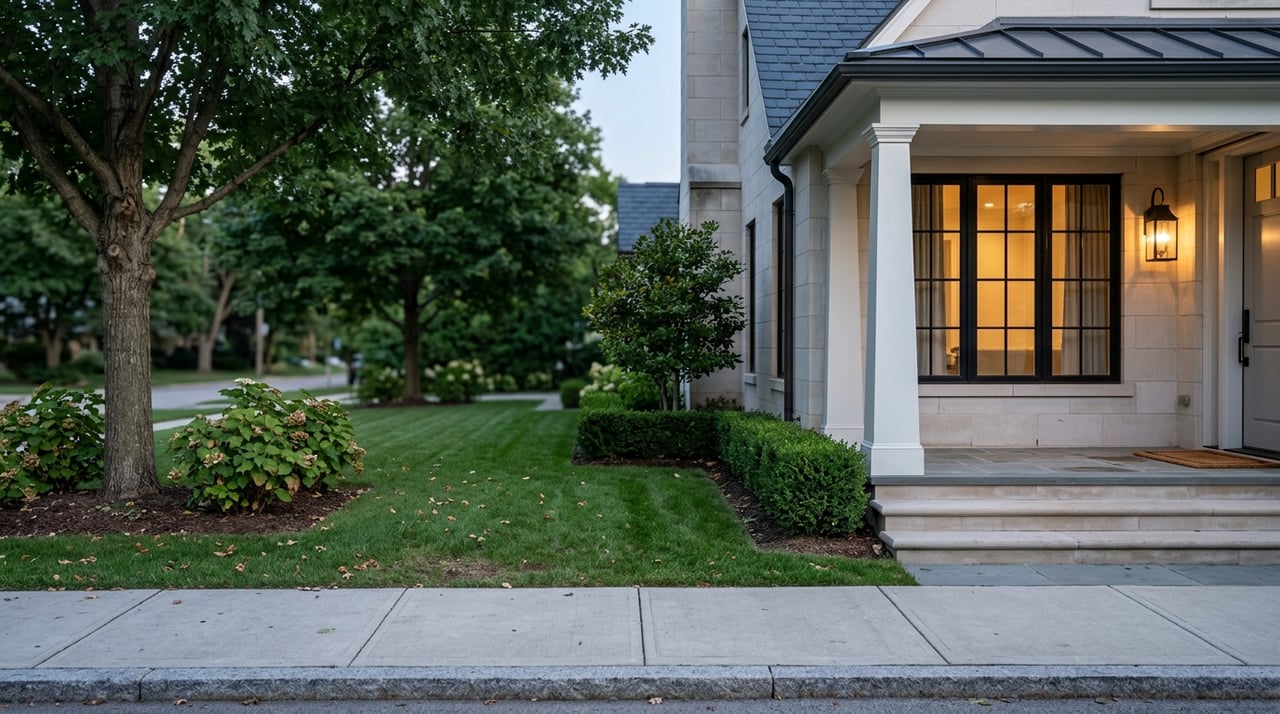
- The depth and presence of the front porch
- Original woodwork or stair details
- Fireplaces and built-ins
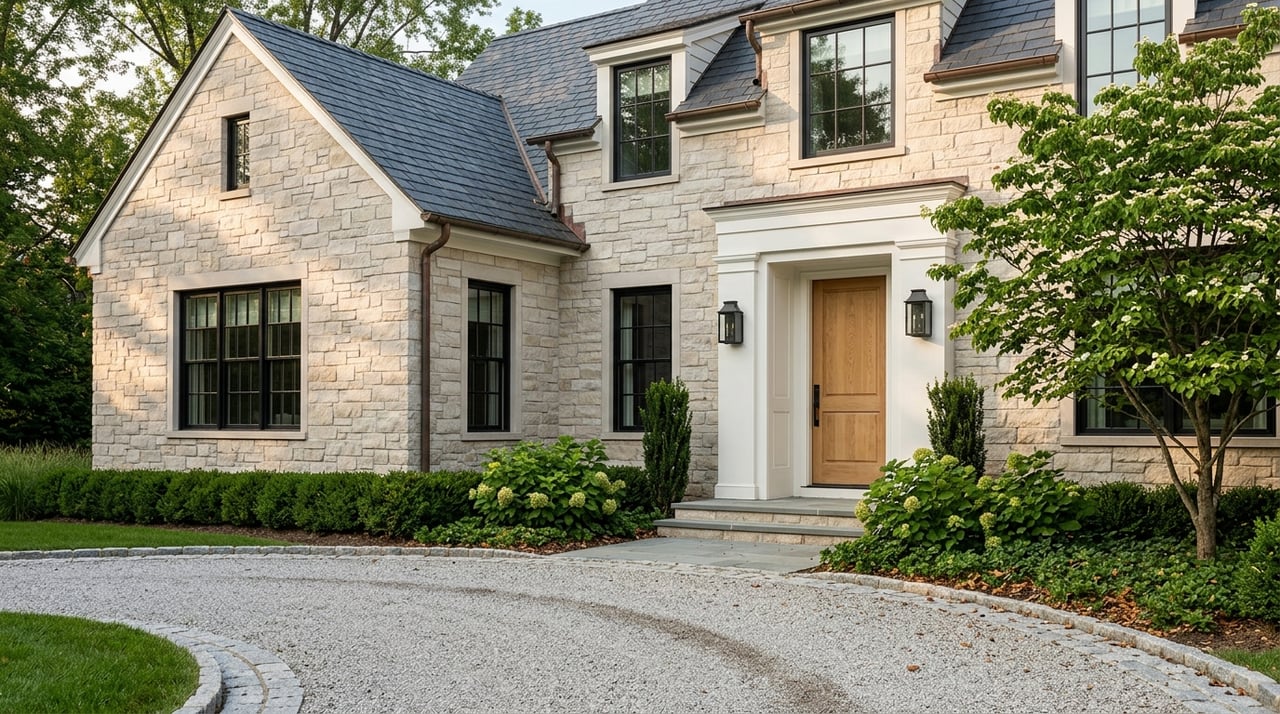
- Masonry and façade texture
- Window proportions
- Mature landscaping
- Street-facing exterior views that show the home in context
The Chevy Chase Small Area Plan repeatedly emphasizes traditional façades, street trees, and neighborhood visual character. That makes exterior and context photography especially valuable when you want to position the home as part of a lasting and recognizable place.
Balance charm with certainty
In this market, buyers often want two things at once: character and clarity. They may love a 1920s Colonial Revival or Craftsman-influenced home, but they also want to know how the systems perform, what has been updated, and whether any compliance issues could surface later.
That is why the strongest sale strategy usually avoids extremes. You do not need to strip away what makes the home special. You also should not assume charm alone will answer practical concerns. When preserved identity is paired with clean presentation, solid records, and thoughtful marketing, a character-filled Chevy Chase home can stand out for the right reasons.
If you are preparing to sell a distinctive home in Chevy Chase, strategic presentation and discreet guidance can make all the difference. For a tailored approach that respects your home’s architectural identity while positioning it for today’s market, connect with The Jill Schwartz Group.
FAQs
What makes a Chevy Chase home feel more valuable to buyers?
- Buyers often respond to preserved architectural details, mature setting, thoughtful updates, and clear documentation on systems, maintenance, and improvements.
What pre-listing updates help when selling an older Chevy Chase home?
- Selective improvements like paint, lighting, hardware, repairs, deep cleaning, and decluttering often help more than overly aggressive renovations.
What disclosures matter for selling a pre-1978 Chevy Chase home?
- Most pre-1978 homes require lead-based paint disclosures, the EPA pamphlet, any related records, and a 10-day inspection opportunity unless waived.
What documents should sellers gather for an older Chevy Chase property?
- Useful documents include system ages, service records, replacement dates, permit history, lead-related records, and any approvals tied to exterior work.
What historic-review issues can affect a Chevy Chase home sale?
- If a property is in a designated historic district or subject to related review, certain exterior work may require special permits or approval, even for replacement in kind.
What rooms matter most to stage before listing a Chevy Chase home?
- Based on NAR’s staging report, the living room, primary bedroom, and kitchen are usually the most important rooms to stage.