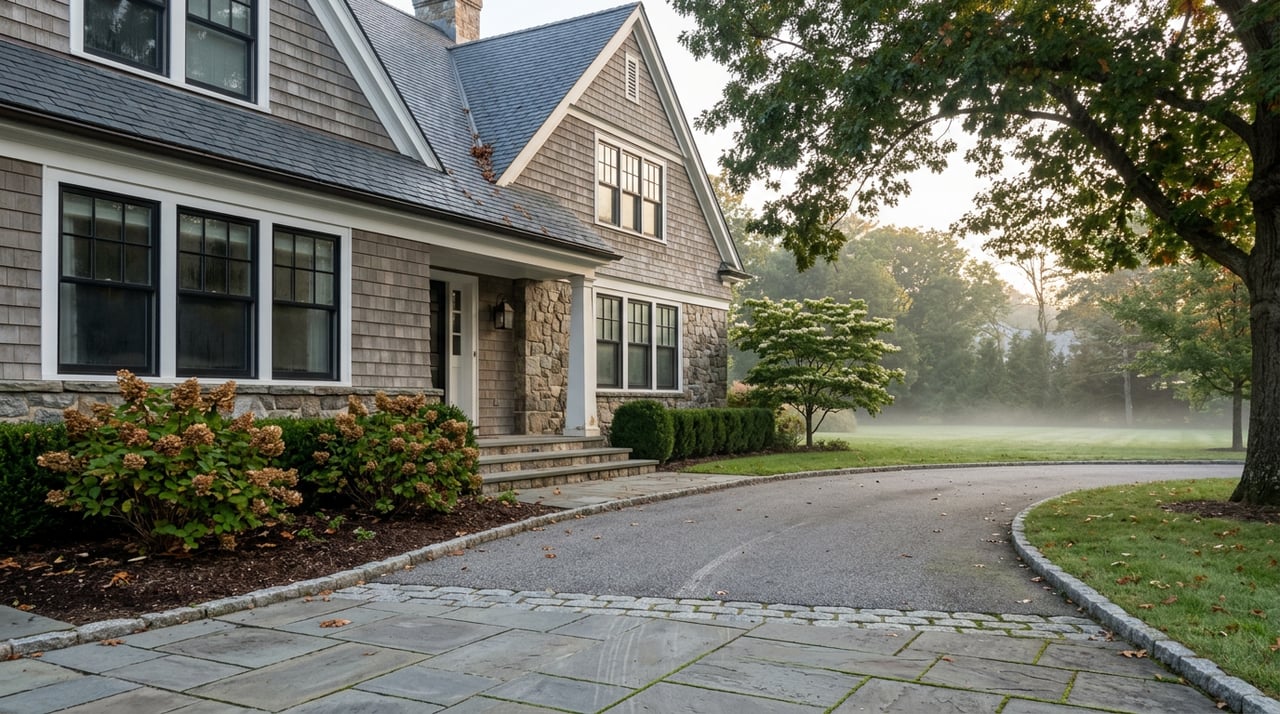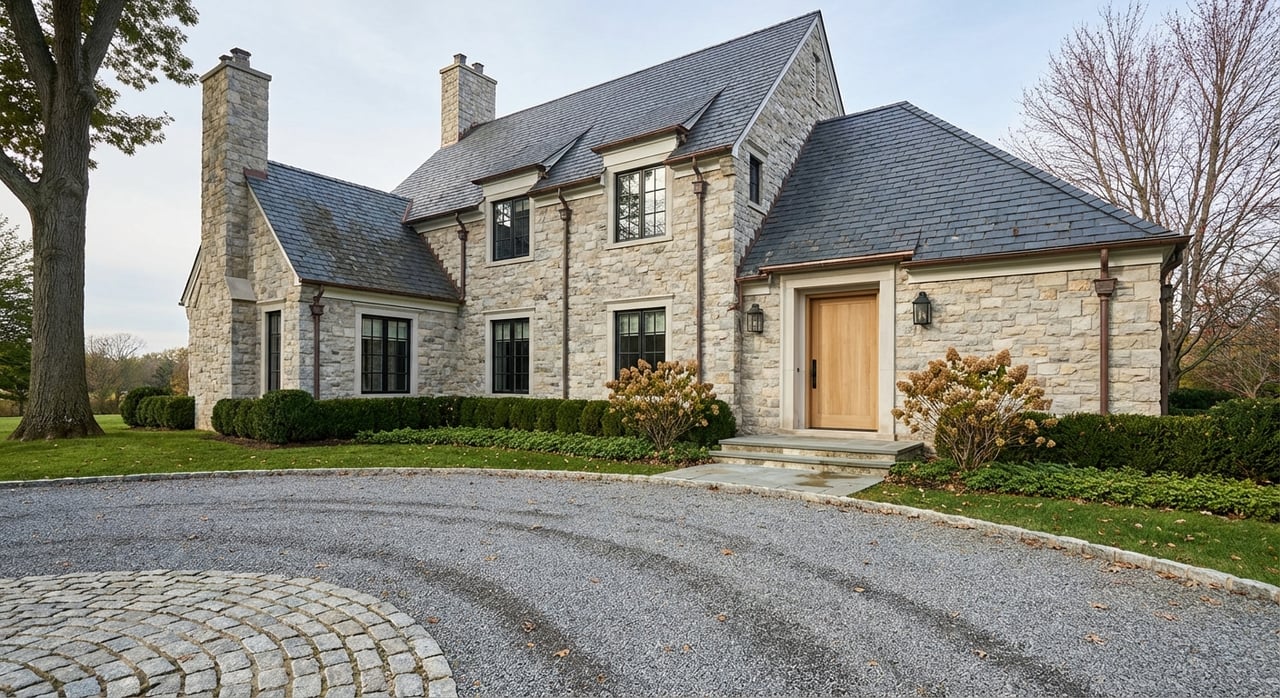
Eyeing a larger home in Bethesda but unsure how to buy before you sell? You are not alone. Many Bethesda homeowners want more space, refined finishes, and a prime location, yet feel stuck juggling timing, financing, and low-disruption logistics. In this guide, you will learn how luxury is defined locally, when to move, how to structure offers, and the smartest ways to finance a move-up with confidence. Let’s dive in.
What “luxury” means in Bethesda
Luxury is a relative term. In most markets, industry reporting defines luxury as the top 10 percent of local listings by price. In Bethesda, where overall values already sit in the low seven figures, that usually means homes priced well above neighborhood medians, with many luxury floors often discussed around the 1.5 million dollar range and distinct tiers beyond 2 million.
Price levels vary by zip code. Recent reporting shows several Bethesda zips posting medians in roughly the 1.2 to 1.8 million range, with 20816 and 20817 among the county’s highest-median areas. Reviewing zip-level medians helps you see where a home crosses from “premium” into “luxury.” You can scan county and zip medians in resources like the list of Maryland’s most expensive zip codes to calibrate your target neighborhoods and price bands. For context, see the analysis of high-median Maryland zips that includes 20816 and 20817. View the 2025 most expensive zip codes in Maryland.
Two takeaways:
- Define luxury by neighborhood. Use zip-level medians and the top 10 percent price tier, not a single dollar cutoff.
- Expect segmentation. A newly built or renovated property on a prime street will command a different premium than an older home on a larger lot but secondary location.
Market timing and inventory in Bethesda
After the extremely tight pandemic years, the DC area, including Bethesda, has seen active listings rise compared with prior lows. That gives you more choice, even as close-in prices remain elevated. Bright MLS summarized a cautious start to 2025, with buyers and sellers feeling out conditions and watching rates, which can open windows for well-prepared move-up buyers. See the Bright MLS January 2025 briefing.
Seasonality still matters. Spring brings more new listings and more competition. Fall often offers a steadier pace, while winter can bring motivated sellers and fewer competing buyers. Your sweet spot is when the specific segment you want has enough selection but is not overrun with bidders.
Bethesda is not a one-speed market. The upper quartile of listings carries a higher median price and typically spends longer on market than lower price bands. That extra time can create leverage for well-qualified buyers who present strong, credible offers. You can see the quartile split and market segmentation in local data dashboards. Review Bethesda’s quartile trends.
Financing your move-up: conforming, jumbo, and rates
Rates shape your budget. In early February 2026, 30-year fixed mortgage rates were near the mid-6 percent range on the Freddie Mac weekly survey. Rates move weekly, so check the latest Primary Mortgage Market Survey before you write offers. Track current rates on Freddie Mac PMMS.
Know your loan category. The Federal Housing Finance Agency set the 2026 baseline conforming limit at 832,750 dollars and the high-cost ceiling at 1,249,125 dollars. Montgomery County meets the high-cost test, so many Bethesda buyers can use conforming products up to the local ceiling. Loans above that threshold are generally jumbo, which come with different pricing and underwriting. See the FHFA conforming loan limits.
What to expect with jumbo financing:
- Stricter underwriting. Best pricing often requires higher credit scores and larger down payments.
- Cash reserves. Lenders may ask for 6 to 12 months of reserves on large loans.
- Documentation. Expect deeper income and asset verification and different debt-to-income calculations. Learn jumbo basics and underwriting norms.
Pro tip: In the luxury tier, pursue a fully underwritten preapproval, not just a prequalification. Underwriters often want your documentation in hand early, especially if you plan to carry two mortgages for a short period.
Bridge and interim options if you buy first
If your ideal home appears before your current home sells, you have ways to bridge the gap.
- Bridge loan. A short-term loan secured by your current home’s equity that lets you close on the new home before selling. It can remove a sale contingency and speed up closing, though costs are higher than traditional financing. Read how bridge loans work.
- HELOC or home equity loan. Often lower cost than a bridge loan and flexible for down payment funds, assuming you have sufficient equity. See how a HELOC can bridge a purchase.
- Piggyback structures. Some buyers use an 80-10-10 setup or a second mortgage to reduce cash outlay or avoid PMI. Your lender can model the tradeoffs.
Always confirm whether your lender allows a temporary period where you carry two mortgages during underwriting. Secure these approvals in writing before you make a non-contingent offer.
How to structure a smooth, low-disruption move
There is no single right path. The best structure depends on your equity, risk tolerance, and the micro-market you are targeting.
- Sell first, then buy. Maximizes financial certainty and avoids carrying two mortgages. You may need temporary housing.
- Buy first with a bridge or by carrying two loans. Lets you write a stronger, non-contingent offer. Costs are higher and you assume short-term carry risk.
- Contingent purchase with a kick-out. Your purchase depends on selling your current home within a short window. The seller can accept backup offers and ask you to remove the contingency within a set timeframe.
- Back-to-back closings. You sell and buy on the same day or sequentially to reduce carrying time. This requires tight coordination among lender, title, and both counterparties.
- Post-closing occupancy (rent-back). If you sell first, negotiate a short rent-back so you can stay 30 to 60 days after closing. Confirm lender and insurance requirements and document terms clearly.
Quick comparison of move-up paths
| Strategy | When it fits | Key tradeoffs |
|---|---|---|
| Sell first | Your current home should sell quickly and you can manage short-term housing | Highest financial certainty, but you may miss a specific replacement home |
| Buy first | You can qualify to carry two loans or secure a bridge/HELOC | Strongest offers, but higher carrying cost and lender approval needed |
| Contingent with kick-out | You can get your home under contract fast | Lower offer strength, timing pressure if a backup offer appears |
| Back-to-back closings | Both sides can commit to tight dates | Minimal carry time, but complex calendar and closing coordination |
| Rent-back | You prefer to sell before buying | Reduces moving disruption, requires clear lease terms and lender approval |
Plan for Montgomery County transfer and recordation costs
Large transactions need precise settlement estimates. Montgomery County adopted a tiered recordation premium effective October 1, 2023, along with a county transfer tax. At higher price tiers above 1 million dollars, these costs can be material, so build them into your budget early and request line-item estimates from your title company. You can review the county’s adopted premium structure and guidance here: Montgomery County Bill 17-23 details.
Your six-step move-up checklist
Lender deep dive. Compare conforming versus jumbo scenarios under the 2026 county limits and secure a fully underwritten preapproval. Ask your lender about bridge, HELOC, and temporary two-mortgage scenarios. Check conforming limits.
Define your target by zip. Use zip-level medians and top-quartile pricing to choose neighborhoods that match your wish list and budget. See high-median MD zip data.
Map timing against inventory. Spring has more listings and competition. Fall and winter can offer motivated sellers. Watch upper-quartile days on market to time your move. Review Bethesda quartile trends and the regional market pulse. Scan the Bright MLS snapshot.
Budget for taxes and fees. Include Montgomery County transfer and tiered recordation costs, escrows, and moving expenses. See county guidance.
Prep your sale for the luxury tier. Consider a pre-listing inspection, professional photography, and high-end staging. In upper bands, buyers expect elevated presentation and clear maintenance histories.
Set your offer strategy. Decide when to shorten contingency periods, how much earnest money signals commitment, and whether you will pre-inspect or plan for an appraisal gap ladder. Have funds and documents ready to execute.
Smart offer edges in Bethesda’s luxury band
- Shorten, do not eliminate, protections. A tighter inspection window and a well-prepared financing file keep you competitive while managing risk.
- Use meaningful earnest money. Strong deposits signal commitment, especially on higher-priced homes.
- Plan for appraisal complexity. Unique properties and rapid price moves can challenge appraisals. Decide in advance how you will handle a gap, whether with cash coverage or negotiated adjustments.
- Coordinate title and closings early. Back-to-back or rent-back structures work best when title, lender, and both counterparties commit to specific dates and deliverables.
Final thoughts
A successful move-up in Bethesda is a blend of market timing, precise financing, and thoughtful structure. Define luxury by neighborhood data, get fully underwritten with a lender who understands jumbo and bridge options, and use a clear plan for contingencies, taxes, and logistics. With a tailored approach, you can upgrade your lifestyle while protecting your timeline and budget.
If you want a confidential, concierge-level plan for your Bethesda move-up, connect with Jill Schwartz for a private consultation.
FAQs
What counts as a luxury home in Bethesda?
- Luxury typically refers to the top 10 percent of listings by price in each local market. In Bethesda, that often means homes priced well above neighborhood medians, with many floors discussed around 1.5 million and higher, varying by zip. You can compare zip-level medians here: Maryland’s most expensive zip codes.
Are luxury homes taking longer to sell than mid-priced homes?
- Yes, upper-quartile homes often have longer days on market due to higher price points and unique features. Local dashboards for Bethesda show clear quartile segmentation and pacing differences. See the quartile trends and the regional snapshot for context. Review the Bright MLS briefing.
Is it better to buy first or sell first in Bethesda’s market?
- It depends on your finances and the segment you want. Selling first maximizes certainty but may require temporary housing. Buying first with a bridge or two-mortgage approval strengthens your offer but adds carrying costs. A short sale contingency with a kick-out clause can work when your current home will sell quickly.
What is the conforming loan limit in Montgomery County for 2026?
- Montgomery County follows the FHFA high-cost ceiling of 1,249,125 dollars for conforming loans in 2026. Loans at or below that level can use standard GSE products, while larger loans are usually jumbo. Confirm current limits.
How can I buy before I sell without taking on too much risk?
- Consider a bridge loan to unlock equity for your down payment, or use a HELOC if you have sufficient equity and want flexible draws. Model scenarios with your lender and confirm temporary two-mortgage allowances before making non-contingent offers. Bridge loan overview and HELOC guidance.
How do Montgomery County transfer and recordation taxes affect my budget?
- For higher-priced transactions, the county’s tiered recordation premium and transfer tax can be significant. Ask your title company for a detailed estimate early, and review the county’s published guidance. See Bill 17-23 details.