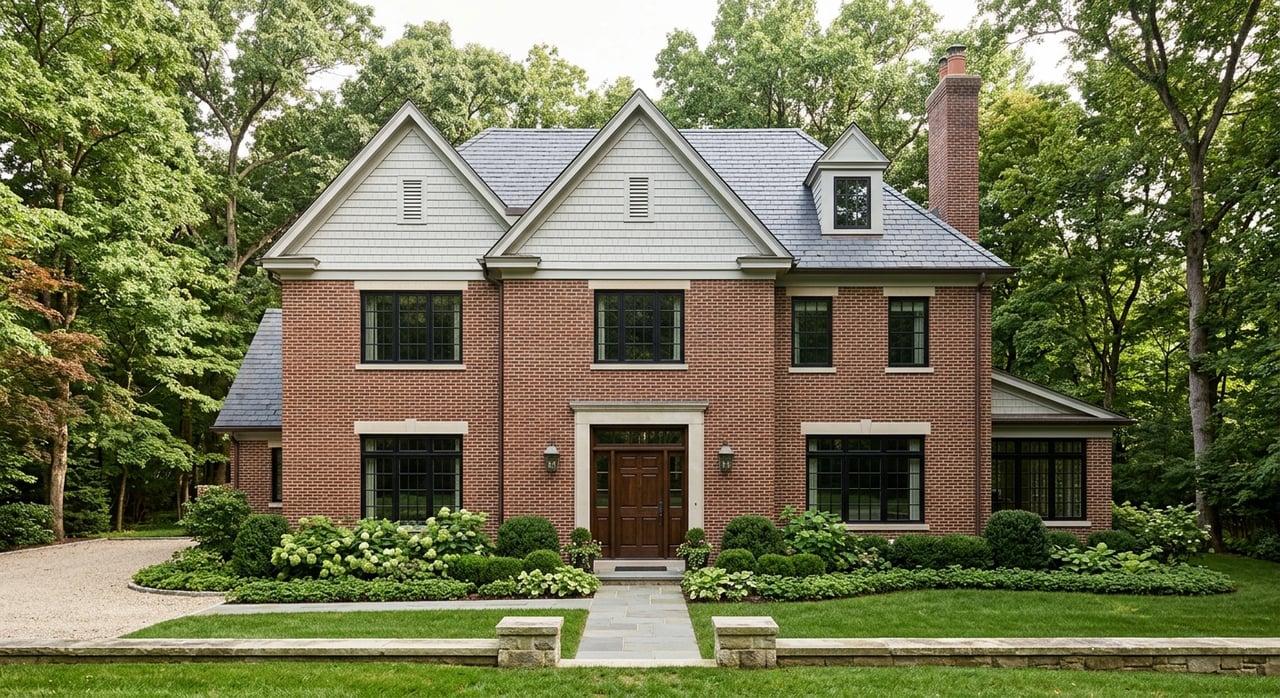
What if you could spot a Chevy Chase home’s floor plan, renovation needs, and long-term potential just by looking at a few listing photos? In this neighborhood, you often can. Chevy Chase on the D.C. side is rich with early 20th-century architecture, and each style comes with telltale details and typical layouts that shape how you live and what you might upgrade. In this guide, you’ll learn the key styles, how to read their visual cues, what updates to expect, and how local permitting and possible historic review could affect your plans. Let’s dive in.
How Chevy Chase took shape
Chevy Chase in the District was planned in the early 1900s as a streetcar suburb with tree-lined streets, consistent front setbacks, and alleys that kept garages out of sight. These design goals created the yard-forward character you still see today. The neighborhood’s core fabric dates from the early 1900s through the interwar years, with later infill appearing over time. You can explore the planning history and context in the District’s nomination materials for the neighborhood’s historic district consideration. The detailed nomination PDF explains the development patterns and style mix.
There is an active proposal to designate a Chevy Chase Historic District. If the Board designates the area, future exterior changes and certain permits would be subject to staff or board review. Before planning exterior work, check the status of the proposed Chevy Chase Historic District, Case 24-03.
Key home styles you will see
Chevy Chase features a refined mix: Colonial Revival, Tudor Revival, Bungalow/Craftsman, American Four-Square, Cape Cod/Minimal Traditional, and later mid-century or contemporary infill. Here is what to look for and what that often means for your lifestyle and projects.
Colonial Revival cues and layout
- Exterior cues: Symmetrical façade in brick or clapboard, classical entry with a pediment or columns, multi-pane double-hung windows, and frequent dormers.
- Inside: Center-hall or side-hall plan with formal living and dining rooms, a separate kitchen that many owners have opened, and 3 to 5 bedrooms upstairs. Attics and basements are typically usable.
- Buyer notes: Original wood windows, built-ins, and trim are character features. The National Park Service recommends repair over wholesale replacement for historic windows and masonry. See the NPS brief on window preservation for context. Slate and early asphalt roofs, plus brick repointing and lintels, may need specialist attention.
Tudor Revival cues and layout
- Exterior cues: Steep gables, half-timbering or decorative stucco, prominent chimneys, and leaded or casement windows.
- Inside: Asymmetrical layouts with cozy formal rooms, fireplaces, and enclosed stair halls. Attics often have dormers and nooks.
- Buyer notes: Masonry, stucco, and half-timber repairs require knowledgeable trades. Leaded casements are prized character elements and more complex to replicate. Steep roof pitches can make additions and roof work more intricate.
Bungalow and Craftsman cues and layout
- Exterior cues: One to one-and-a-half stories, low-pitched gables, broad porches with tapered columns, exposed rafter tails, and shingle or clapboard siding.
- Inside: Smaller original footprints with built-ins and a semi-open feel for the era. Kitchens are often compact unless previously expanded.
- Buyer notes: Many have porch elements that benefit from careful repair. Exposed wood eaves and porch details need routine maintenance. Enlarging or lifting these homes is often feasible with proper permits and zoning review.
American Four-Square cues and layout
- Exterior cues: Boxy two-story massing, hip roofs, and full-width or inset porches.
- Inside: Efficient four-rooms-per-floor or center-hall plans with good attic and basement potential.
- Buyer notes: These homes adapt well to modern kitchens and family rooms. Rear family-room additions and garages are common, but plan for drainage, foundation considerations, and zoning limits.
Cape Cod and Minimal Traditional cues
- Exterior cues: Modest one to one-and-a-half story forms, simple detailing, and dormers.
- Inside: Smaller original kitchens and 2 to 3 bedrooms. These are frequent targets for dormer enlargements, rear additions, and finished basements.
- Buyer notes: Smaller footprints can constrain on-lot expansion without exceptions. Attic dormers and basement finishes are popular ways to gain space.
Mid-century and contemporary infill
- Trends: Over recent decades, some modest houses have been replaced by larger new builds or expanded with substantial additions. The official survey notes a growing number of non-contributing properties tied to later construction and alterations, which shapes today’s streetscapes.
- Buyer notes: Newer structures may offer large footprints and modern systems. In mixed blocks, confirm how any planned exterior changes could interact with existing review processes if a historic district is designated.
Lots, siting, and expansion
Historic plats gave interior side streets lot widths of about 25 to 30 feet, with wider parcels around 50 feet along Connecticut Avenue. Original rules required about 15-foot front setbacks, which create consistent lawns and streetscapes. Alleys were planned to keep garages and service structures discreet, a pattern that still guides where additions and garages work best.
Most single-family parcels fall into low-density R zones. Lot occupancy and rear-yard rules can feel tighter than in nearby suburban counties, which is why you often see rear additions, basement finishes, and internal reconfigurations instead of broad side additions. For a quick orientation to DC zoning categories, review the DCOZ zone conversion table and confirm exact standards for the parcel you are considering.
Renovation, permits, and review
- Permitting basics: The DC Department of Buildings requires permits for additions, structural changes, major electrical and plumbing, HVAC, and similar work. The DOB Homeowner’s Center outlines permit categories and the homeowner track for smaller projects.
- Historic review: If the proposed Chevy Chase Historic District is designated, exterior work that might be exempt elsewhere could require a historic property permit and HPO/HPRB review. Always confirm status on the case page before planning exterior changes.
- Basement finishing: Many homes have usable basements, but converting them to legal living space requires proper egress, ceiling heights, moisture control, and DOB inspections. Build time for plan review and inspections into your schedule.
- Windows, masonry, and roofing: When historic features remain, repair is often recommended over replacement for long-term value. The NPS guidance on window preservation is a helpful primer and pairs well with professional advice during inspections.
- Electrical and insurance: In older homes, legacy wiring like knob-and-tube can affect safety and insurability. The Electrical Safety Foundation International provides consumer resources. Ask for documentation showing panel upgrades and any rewiring.
- Lead-safe rules: In homes built before 1978, assume paint may contain lead. The EPA’s RRP program requires lead-safe certified contractors for most paid work that disturbs painted surfaces. Review the EPA RRP overview as you scope work.
What to look for in photos and tours
Use these quick cues to translate listing photos into likely layouts and maintenance items.
- Roof: Note slate, wood, or architectural asphalt. Check for visible sagging or patching and chimney condition. Ask the age of the roof and the last full reroof.
- Windows: Identify single-pane wood sashes or leaded casements. Ask whether original windows were restored or replaced, and if storm windows were added.
- Front elevation and porch: Look for original porch columns, exposed rafter tails, or Tudor half-timbering. Note any porch enclosures.
- Side and rear: Estimate distance to neighbors. Look for alley access and any existing garage. Assess rear-yard grade for drainage concerns.
- Basement clues: Check window size for potential egress. Look for moisture signs. Confirm whether any finished basement space is permitted living area.
- Mechanical hints: Spot exterior condensers, oil tanks, and chimney flues. Ask for dates of HVAC, water heater, electrical panel, and sewer lateral work.
- Permits: Request the seller’s permit history and final inspections for additions, structural work, and major system upgrades.
Pre-offer due diligence
- Inspection: Order a thorough inspection that flags wiring types, cast-iron or galvanized plumbing, roof condition, and foundation movement. Specialists can be valuable for slate roofing, masonry, or electrical.
- Public records: Use PropertyQuest to look up the property, then review DOB permit records through the city’s systems. Ask the seller for copies of permits and final approvals.
- Lead-safe planning: For homes built before 1978, plan for lead-safe work if you intend to disturb painted surfaces. The EPA RRP rules explain contractor and documentation requirements.
Buying with confidence
When you understand Chevy Chase’s architectural styles, you can better predict layouts, plan upgrades, and set smart expectations for permits and timelines. Colonial and Tudor homes deliver classic proportion and character details. Craftsman bungalows and Four-Squares offer flexible, efficient plans that adapt well to today’s living. Cape Cods and later infill provide targeted opportunities to add space and update systems.
If you are evaluating a home’s potential or weighing renovation scope against local review, it helps to have a trusted advocate who lives this market every day. For private guidance tailored to your goals, connect with The Jill Schwartz Group to request a confidential consultation.
FAQs
What home styles are most common in Chevy Chase, DC?
- You will most often see Colonial Revival, Tudor Revival, Bungalow/Craftsman, American Four-Square, Cape Cod/Minimal Traditional, plus some mid-century and contemporary infill, as documented in the DC planning nomination materials.
How could historic district status affect renovations?
- If the proposed Chevy Chase Historic District is designated, exterior changes and demolitions could require HPO/HPRB review, so check the case page before planning exterior work.
What permits do I need for common projects in DC?
- Additions, structural changes, major electrical or plumbing, HVAC, and similar work require permits; the DOB Homeowner’s Center outlines categories and submittal routes for homeowners.
How do lots and setbacks shape additions in Chevy Chase?
- Many interior lots are 25 to 30 feet wide with 15-foot front setbacks and alley access, so expansions often go to the rear or into the attic or basement within low-density R zone rules.
What should I ask about older home systems before I buy?
- Request dated records for electrical panels and any rewiring, plumbing replacements, HVAC upgrades, and roof history, and plan for lead-safe practices if the home predates 1978 under EPA RRP rules.